By Best Home Decor Picks Daily • July 20, 2026 • Contains affiliate links
Affiliate Disclosure: As an Amazon Associate, we earn from qualifying purchases. Clicking our links costs you nothing extra and helps us keep reviewing products for free.
Summer 2026 bathroom sales have created a genuine opportunity to upgrade fixtures, but the market has fragmented into three distinct categories—each solving fundamentally different problems. Smart toilets with heated seats and integrated bidet functions dominate the conversation, yet they're designed for a completely different use case than macerating toilets, which solve plumbing constraints rather than comfort priorities.
Before choosing between smart and macerating toilets, verify your bathroom's existing plumbing setup and water pressure, as macerating toilets require special installation near walls or in tight spaces while smart toilets need adequate electrical outlets and compatible water lines. Consider the long-term maintenance costs and availability of replacement parts in your area, since smart toilet features like heated seats and bidet functions may require specialized repairs that aren't available from all local plumbers.
This guide compares these options head-on, grounded in actual products and real tradeoffs. Rather than declaring one universally "better," we'll show you which technology actually makes sense for your space, your plumbing layout, and your renovation budget. The difference between a smart decision and an expensive regret often comes down to matching the right fixture to the right problem.
Smart Toilets with Heated Seats, Bidet & App Control
Smart toilets from suppliers like Simple Project integrate smartphone control, heated seats, adjustable water pressure, self-cleaning nozzles, built-in bidet functions, soft-close lids, and air-drying capabilities. Features typically include app or voice-controlled temperature and pressure adjustments, energy-efficient flushing systems that reduce water consumption versus standard toilets, and touchless activation. Average pricing sits around $300+ for complete fixture packages during summer sales.
Installation requires standard plumbing hookups and a dedicated electrical outlet. Professional installation typically adds $200–500 to project costs due to electrical and plumbing integration. These units depend on consistent electricity and contain electronics that can fail outside warranty periods—a real consideration for long-term ownership.
Best for: Master bathrooms and primary en-suites where you prioritize daily comfort upgrades and have standard plumbing in place. Homeowners willing to invest in technology maintenance and who value hygiene features over simplicity.
Macerating Toilet Systems
Macerating toilets grind waste and paper into a fine slurry, then pump it upward through small-diameter pipes. This eliminates the need for extensive plumbing modifications in basements, attics, crawl spaces, or any location far from main drain stacks. They're genuinely useful for adding a second bathroom to a basement without breaking concrete or rerouting major plumbing lines—a scenario where traditional gravity-fed toilets won't work at all.
The tradeoff is mechanical complexity. Installation adds a motor and pump system requiring electrical connections and ongoing maintenance of mechanical components. Cost and installation difficulty are substantially higher than standard fixtures, and these units introduce moving parts into a space where you typically want simplicity and reliability.
Best for: Basement bathrooms, guest bathrooms in remote areas, additions in challenging locations, and homes where traditional toilet plumbing routes are impractical or prohibitively expensive. Any renovation where avoiding major structural plumbing work justifies the mechanical complexity.
Premium Non-Smart Fixtures (Contemporary Vanities & Traditional Toilets)
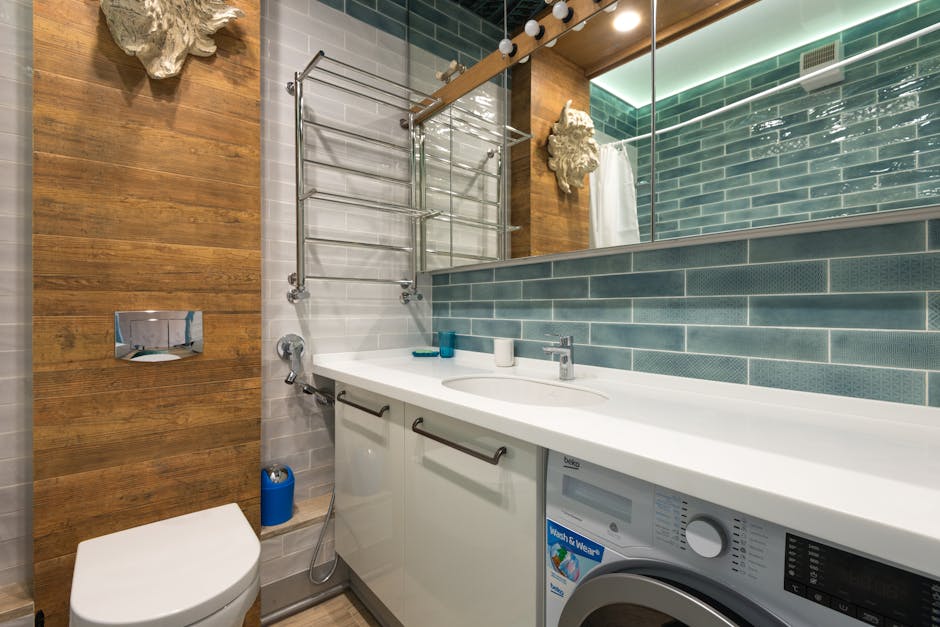
Complete bathroom fixture collections pair coordinated sinks, vanities, and contemporary-style elements without smart technology. High-end shower systems with rainfall showerheads, space-saving corner sinks, and compact toilets designed for smaller bathrooms round out this category. These emphasize aesthetic consistency, reliability, and style without electronics or mechanical systems.
Installation is straightforward—these fixtures work with standard plumbing and require no electrical connections beyond basic outlet needs for vanity lighting. They offer the comfort-first approach through design (luxury shower systems, heated towel racks) rather than smart technology, and carry significantly lower maintenance risk than electronically controlled systems.
Best for: Homeowners prioritizing visual cohesion and reliability over technology features. Small bathrooms needing space-efficient solutions, powder rooms, guest baths, and renovations where you want a complete aesthetic refresh without tech risk. Anyone skeptical of electronics in wet environments.
Some homeowners combine a smart toilet (for comfort and daily-use hygiene) with coordinated contemporary vanities, rainfall showerheads, and modern faucets. This balances technology investment in the fixture you use most frequently with aesthetic coherence and reliability in secondary elements. It allows you to prioritize electronics where they add genuine value while keeping other systems simple.
This approach gives flexibility: you get app-controlled bidet functions and heated seating where they matter, but traditional gravity drainage, no moving parts in the vanity, and a cohesive visual design across all water points. Installation complexity sits between full-smart and fully-traditional, with costs distributed across multiple fixture upgrades.
Best for: Primary bathrooms where smart toilet features genuinely improve daily life, but where you also want visual design consistency and reduced maintenance burden elsewhere. Renovations with mid-to-higher budgets that prioritize both comfort and long-term reliability.
Pros & Cons
Pros
✓ Smart toilets significantly reduce water consumption compared to standard toilets through energy-efficient flushing—a real savings over time.
✓ Macerating systems enable basement or attic bathrooms without breaking concrete or rerouting major drain stacks, solving a genuine plumbing constraint that would otherwise be prohibitively expensive.
✓ Summer 2026 sales have made smart toilet entry-level models substantially more affordable than previous years, with complete packages around $300+.
✓ Premium traditional fixtures offer reliability and spa-like aesthetics (rainfall showerheads, heated systems) without electronics risk or complex maintenance.
Cons
✗ Smart toilets require dedicated electrical outlets and depend on consistent power; electronics can fail outside warranty periods, and repair costs may be high.
✗ Macerating toilets introduce mechanical complexity (motors, pumps) requiring ongoing maintenance and electrical connections in an environment where simplicity is usually preferred.
✗ Professional installation for smart toilets adds $200–500 to project costs due to electrical and plumbing integration requirements.
✗ Macerating systems carry substantially higher upfront cost and installation difficulty compared to standard fixtures, with moving parts that can require repair.
Our Verdict
Smart toilets win for master bathrooms with standard plumbing where you use the toilet daily and value integrated bidet functions, heated seats, and water efficiency. If your master bath already has a toilet location with normal drainage and you have a budget for professional installation, a smart toilet from Simple Project or similar suppliers delivers genuine daily-use comfort. The summer 2026 pricing makes entry-level models accessible; budget $500–1,000 total (fixture + installation).
Macerating toilets are essential—not optional—for basements and non-traditional spaces where traditional plumbing is impossible. If you're adding a bathroom to a basement without breaking concrete, a macerating system is often the only practical option, despite higher complexity. This is a structural problem that requires a mechanical solution; the decision is really "macerating toilet or no bathroom at all," not "macerating or smart."
Premium traditional fixtures win for secondary bathrooms, powder rooms, and guests spaces where you prioritize reliability, visual cohesion, and low maintenance. A contemporary vanity paired with a standard toilet and rainfall showerhead costs less than a smart toilet, installs easily, and eliminates electronics failure risk. This approach also allows you to allocate your renovation budget toward aesthetic impact rather than technology.
The hybrid approach (smart toilet + premium complementary fixtures) splits the difference: invest in smart technology where it matters most (daily comfort in the master bath), but keep secondary systems simple and visually coordinated. This maximizes the value of your smart toilet investment while reducing total maintenance burden and risk.
The real decision isn't which product is "better"—it's matching your plumbing situation, usage patterns, and budget to the technology that actually solves your specific problem.
Frequently Asked Questions
How much does a smart toilet cost installed?
Entry-level smart toilets average around $300+ for the fixture alone during summer 2026 sales. Add $200–500 for professional installation due to electrical and plumbing integration. Total budget: $500–$1,000+ depending on your current plumbing setup and local labor costs.
Do smart toilets actually save water?
Yes. Smart toilets from Simple Project and similar suppliers include energy-efficient flushing systems that reduce water consumption compared to standard toilets. Over years of use, this creates measurable savings, though the upfront technology cost should factor into your payback calculation.
When do I actually need a macerating toilet?
When you want to install a toilet in a basement, attic, or other space far from the main drain stack, and running new plumbing lines is cost-prohibitive. Macerating systems eliminate the need for extensive plumbing modifications by grinding waste and pumping it upward through small-diameter pipes. Without one, traditional gravity-fed toilets won't work in these locations.
Are smart toilets reliable long-term?
Smart toilets depend on consistent electricity and contain electronics that can fail outside warranty periods. Repair costs may be high. For bathrooms where you want simplicity and minimal maintenance, traditional or premium non-smart fixtures are more reliable. For master bathrooms where you use the toilet daily, the comfort benefits typically justify the technology risk.
Can I install a smart toilet myself?
Installation usually requires professional help due to electrical and plumbing integration. While the fixture itself may use standard plumbing connections, electrical outlet installation and integration with home automation systems benefit from expert installation. Plan for $200–500 in labor costs.
What's the difference between a smart toilet and a macerating toilet?
Smart toilets enhance daily comfort and hygiene with heated seats, bidet functions, and app control. They work with standard plumbing. Macerating toilets solve a plumbing constraint by grinding waste and pumping it through small pipes, enabling installation in basements where traditional toilets won't work. They're designed for different problems.
Our team curates stylish, well-reviewed home decor and interior products so you don't have to. Every recommendation is based on real research: customer reviews, expert opinions, and value for money. Learn more about us →
This post contains affiliate links. We may earn a commission if you purchase through our links at no extra cost to you.