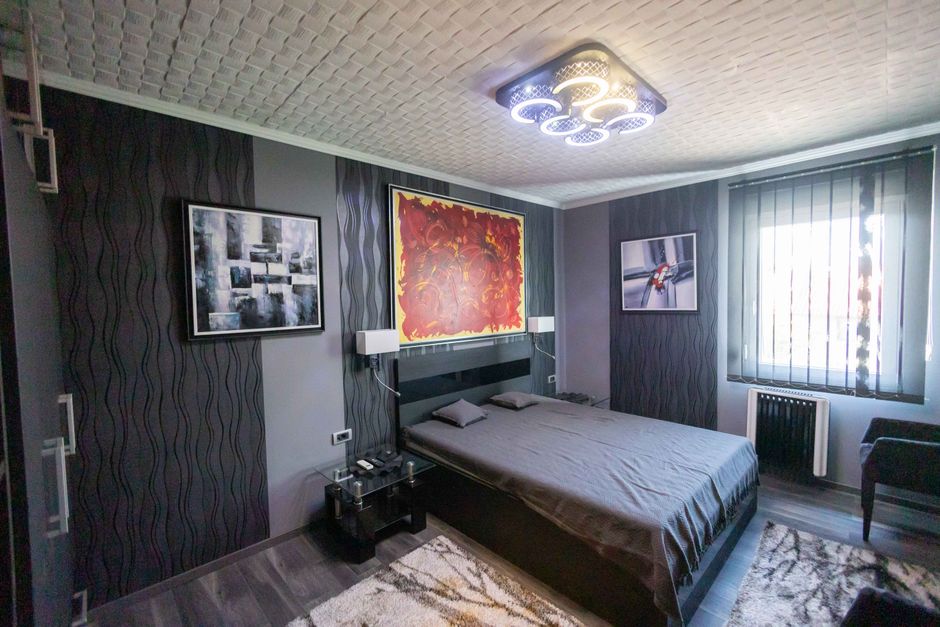
Photo: Kristina Kino / Pexels
Most bedrooms rely on a single overhead fixture, which creates harsh shadows, leaves dark corners, and offers no flexibility for different times of day. The solution is layered lighting—combining three distinct light sources (ambient, task, and accent) at varying heights and locations to give you control over brightness, mood, and functionality throughout the day and night.
Before purchasing bedroom lighting fixtures, measure the ceiling height and room dimensions to ensure fixtures aren't too large or positioned where they'll create glare on the bed or television screen. Layer different light sources at varying heights—ceiling fixtures for overall illumination, bedside lamps for reading, and wall sconces for ambient mood lighting—so you can adjust brightness for different times of day and activities.
But which fixtures should you actually install? Bedside lamps, ceiling fixtures, wall sconces, floor lamps, and vanity lamps each serve distinct purposes and work best in specific locations. This guide compares where to place each type, what heights and distances matter, and which combinations eliminate shadows and reduce eye strain rather than creating them.
Ceiling-mounted fixtures—including chandeliers, flush mounts, and recessed lights—form your foundational ambient layer, providing general room illumination across the entire bedroom. These work best paired with dimmer switches, allowing you to drop brightness for evening relaxation while maintaining sufficient light for daytime activities like cleaning or getting dressed. Use warm color temperatures (2700K) to promote relaxation and avoid clinical, blue-toned light that interferes with sleep.
Best for: Daytime functionality, full-room visibility, and anyone needing consistent, adjustable general lighting across the entire bedroom.
Position one lamp on each side of your bed with the bulb sitting 15–24 inches above the mattress surface. This height allows comfortable reading without neck strain and prevents light from shining directly in your eyes while lying down. Look for lamps with shades that direct light downward to minimize glare and create a warm, intimate glow. This is the most common task lighting choice for bedrooms and works in tandem with overhead ambient lighting to give flexible brightness control.
Best for: Bedside reading, checking phones, makeup application, and activities requiring focused light without waking a sleeping partner. Essential for anyone spending significant time in bed.
Wall-mounted fixtures positioned beside or above the bed offer a space-saving alternative to table lamps, especially in smaller bedrooms. They provide direct task lighting for reading while maintaining a cleaner visual aesthetic than furniture-based lamps. Wall sconces also function as accent lighting to highlight architectural features or artwork. Installation requires electrical work, making them a more permanent solution than portable lamps, but they eliminate clutter and bedside table dependencies.
Best for: Small bedrooms, minimalist designs, and rooms where bedside tables are unavailable or unwanted. Ideal when you prioritize aesthetics and space efficiency over flexibility.
A floor lamp positioned in a corner diagonal from your bed or along a wall provides soft, diffused ambient lighting without creating harsh shadows. Placing it away from direct sight lines reduces glare on screens and mirrors while still illuminating the entire room. This creates the relaxing atmosphere conducive to sleep and winding down. Large floor lamps also function as statement pieces that distribute light broadly.
Best for: General room illumination and creating a calming environment. Works well for rooms lacking built-in overhead options or those needing flexible, portable ambient lighting.
A dedicated lamp on your dresser or vanity provides focused task lighting for grooming, getting dressed, and checking your appearance. This prevents you from relying on bedroom overhead lights or bedside lamps for functional tasks, keeping dedicated reading light uncluttered. Vanity lamps allow you to separate grooming routines from relaxation zones.
Best for: Getting dressed, makeup application, and grooming routines. Ideal for rooms with dedicated vanity or dresser space, or anyone with complex morning preparation needs.
The best bedroom lighting setup combines all three layers—ambient, task, and accent—rather than relying on a single fixture. Ceiling fixtures with dimmer switches form your foundation for daytime visibility and adjustable general illumination. Bedside nightstand lamps are essential for most bedrooms, providing focused reading light at the correct height without waking a partner. For grooming routines, a dedicated vanity lamp is worthwhile if you have dresser or vanity space; otherwise, bedside lamps can serve dual purpose. Wall sconces are the best space-saving alternative in small bedrooms or minimalist designs, eliminating nightstand clutter. Floor lamps in corner placement add soft ambient light and work well in rooms lacking built-in overhead options or those needing flexible, portable illumination. The key difference: wall sconces are permanent but space-efficient; bedside lamps are flexible and ergonomic for reading; floor lamps provide portable ambient coverage; and vanity lamps separate grooming from relaxation. Combining at least three of these—typically ceiling fixture + bedside lamps + either a floor lamp or wall sconce—eliminates shadows, reduces eye strain, and gives you control over mood and brightness throughout the day.
The bulb should sit 15–24 inches above the mattress surface. This height allows comfortable reading without neck strain and prevents light from shining directly in your eyes while lying down. It also creates an intimate glow without causing glare.
Dimmer switches allow you to adjust brightness for different times of day. You can keep full brightness for daytime activities like cleaning or getting dressed, then reduce it in the evening to avoid harsh light that interferes with sleep. This flexibility is essential in a layered lighting system.
Use warm color temperatures around 2700K throughout your bedroom lighting system. This promotes relaxation and sleep by avoiding clinical, blue-toned light. Consistency across all fixtures (ceiling, bedside, wall sconces, floor lamps) helps create a cohesive, sleep-friendly environment.
Wall sconces are better for small bedrooms, minimalist designs, or rooms without nightstand space—they save floor area and reduce clutter. Bedside lamps are more flexible and ergonomic for reading, and they don't require electrical installation. Many rooms benefit from both if space allows.
Position it in a corner diagonal from your bed or along a wall away from direct sight lines. This placement provides soft, diffused ambient lighting without harsh shadows and reduces glare on screens and mirrors while still illuminating the entire room.
Not necessarily. If your bedroom is small or space is limited, bedside lamps can serve double duty for both reading and grooming. A dedicated vanity lamp is most useful if you have a full dresser or vanity, spend significant time on makeup or grooming, or want to separate task lighting zones.
Found this helpful? Share it!
Our team curates stylish, well-reviewed home decor and interior products so you don't have to. Every recommendation is based on real research: customer reviews, expert opinions, and value for money. Learn more about us →
This post contains affiliate links. We may earn a commission if you purchase through our links at no extra cost to you.
← Back to Best Home Decor Picks Daily| Retailer | Price Range | Shipping | Link |
|---|---|---|---|
| Amazon | Check Current Price | Free (Prime) | View on Amazon → |
| Walmart | Check Site | Free over $35 | Search → |
| Target | Check Site | Free over $35 | Search → |
Prices may vary. Click through to each retailer for current pricing.