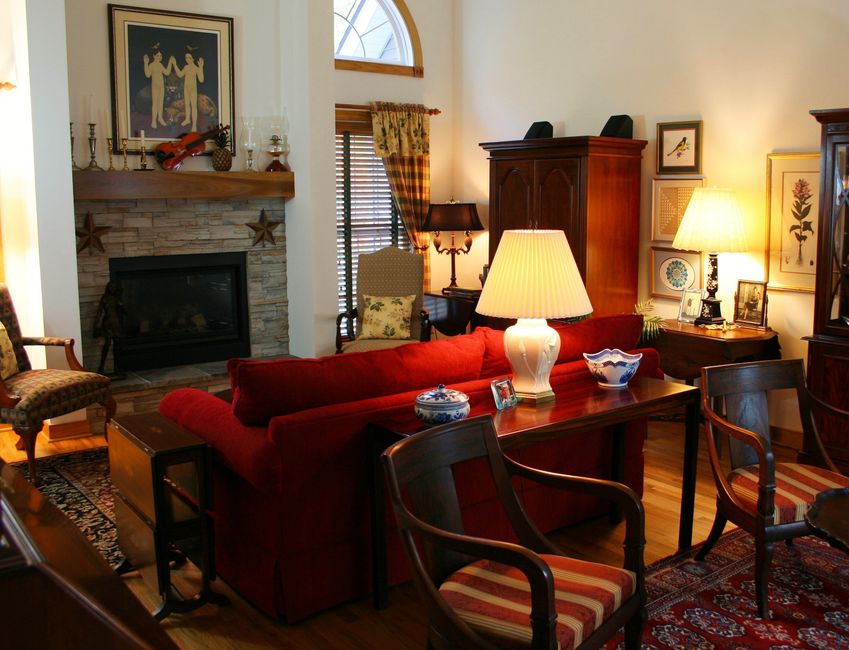
Photo: Pixabay / Pexels
Found this helpful? Share it!
When layering table and floor lamps, measure your room's square footage and place fixtures at different heights and distances to create pools of light that overlap slightly, ensuring no dark corners while avoiding harsh shadows that make spaces feel cramped. Always verify that your lamps have compatible dimmer switches or bulbs, as this flexibility lets you adjust brightness throughout the day and prevents overlit, unflattering room aesthetics.
Our team curates stylish, well-reviewed home decor and interior products so you don't have to. Every recommendation is based on real research: customer reviews, expert opinions, and value for money. Learn more about us →
Layered lighting with table lamps and floor lamps involves combining multiple light sources at different heights and brightness levels to create depth, ambiance, and functional illumination throughout a room. The key is positioning these fixtures strategically to eliminate shadows, highlight focal points, and allow you to adjust lighting intensity based on your needs.
Effective lighting layering requires three components: ambient (general) lighting, task lighting (for specific activities), and accent lighting (for visual interest). Table lamps and floor lamps work together by providing task and accent lighting that complement your room's primary light source. Place them at varying heights around the room—floor lamps in corners or beside seating, table lamps on side tables and desks—and use different wattages to create flexible, controllable illumination. This approach eliminates harsh shadows, makes spaces feel larger, and allows you to set the perfect mood for any occasion.
Professional interior designers use a three-tier lighting system to create balanced, functional spaces. Ambient lighting provides general illumination for the entire room—typically from ceiling fixtures or recessed lights. Task lighting focuses on specific areas where you need brighter light for activities like reading, working, or cooking. Accent lighting highlights architectural features, artwork, or decorative elements to add visual depth and interest.
Table lamps and floor lamps excel at providing task and accent lighting, making them essential for layered lighting schemes. They're flexible, moveable, and allow you to customize light levels throughout your space.
Table lamps work best when positioned on side tables, nightstands, desks, and console tables at approximately 15-18 inches from the surface. This height allows light to spread naturally without creating uncomfortable glare. In living rooms, place table lamps on end tables flanking a sofa to provide reading light and visual balance. In bedrooms, position them on both nightstands at equal heights for symmetrical, functional illumination. For home offices or desks, place a task-focused table lamp to the side of your work surface, angling it slightly to minimize screen glare.
Consider your room's layout and furniture arrangement. Table lamps should be positioned where you naturally need light—beside reading chairs, at work surfaces, or on accent furniture. The lamp's base should complement your décor and be stable enough to prevent tipping if accidentally bumped.
Floor lamps provide substantial light from vertical positions and work well in corners, beside seating areas, or behind furniture. The ideal height for reading with a floor lamp is approximately 48-66 inches from the floor to the bottom of the shade. Arc floor lamps are particularly effective because they extend light over seating areas without taking up table space.
Position floor lamps in dark corners to eliminate shadows and create balanced illumination throughout the room. Place them beside accent chairs for reading light, in bedroom corners for ambient evening light, or next to bookshelves to highlight collections. Ensure the lamp's cord doesn't create a tripping hazard and that the base is stable on your flooring.
Layered lighting requires varied heights to create visual interest and functional coverage. Combine floor lamps (typically 60-70 inches tall) with table lamps (typically 24-30 inches) and low-profile accent lamps to establish a dynamic lighting landscape. This variation prevents the flat, one-dimensional appearance that comes from using only ceiling lights.
When arranging furniture, plan your lighting placement simultaneously. A common arrangement includes a floor lamp in a corner, a table lamp on a side table, and another floor lamp or table lamp on the opposite side of
As an Amazon Associate I earn from qualifying purchases.
← Back to All Reviews Shop on Amazon →| Retailer | Price Range | Shipping | Link |
|---|---|---|---|
| Amazon | Check Current Price | Free (Prime) | View on Amazon → |
| Walmart | Check Site | Free over $35 | Search → |
| Target | Check Site | Free over $35 | Search → |
Prices may vary. Click through to each retailer for current pricing.
Floor lamps typically range from 58-72 inches tall, while table lamps should be 24-34 inches high, allowing them to illuminate different zones without creating shadows on each other. Position your floor lamp behind seating to backlight the space, then place table lamps on side tables or consoles at eye level to create a softer task light for reading or working.
Aim for 3,500-4,100 total lumens per 100 square feet of room space when combining multiple light sources. For example, a floor lamp with 800-1,000 lumens paired with two 400-500 lumen table lamps provides adequate layered lighting for a living room without being overwhelming.
They don't need to match exactly, but coordinating finishes and shade colors creates visual cohesion in your lighting scheme. Mix metals freely (brass with chrome is trendy), but keep shade colors within the same undertone family—warm whites with warm whites, or cool whites with cool whites—for a polished, intentional look.
Yes, using the same bulb type (like warm white LED 2700K) throughout your layered lighting ensures consistent color temperature and a unified ambiance. This also simplifies replacement and maintenance, though you may want slightly higher wattage in floor lamps (100W equivalent) versus table lamps (60W equivalent) to avoid imbalanced brightness.