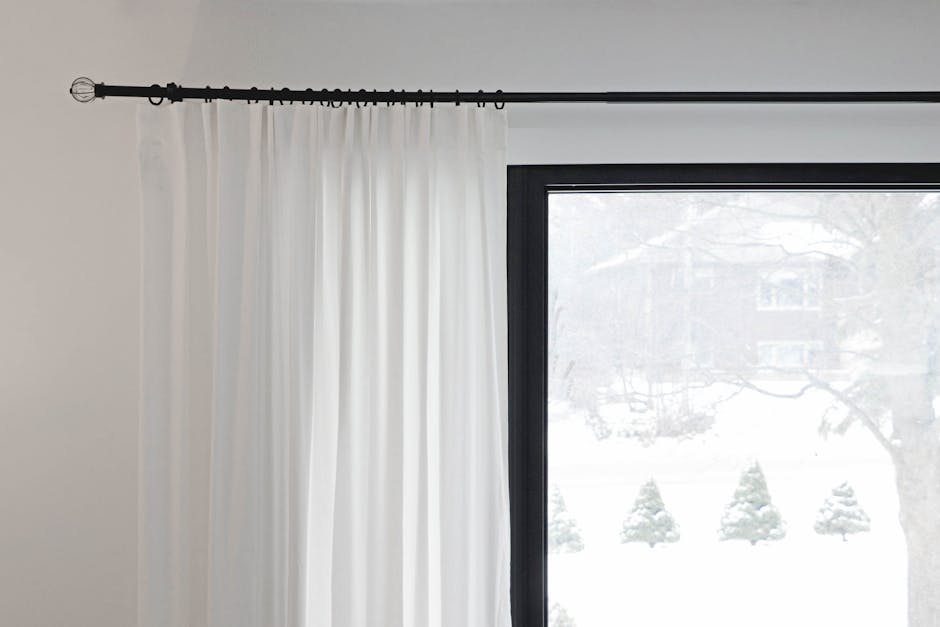
Photo: Designecologist / Pexels
Found this helpful? Share it!
Check the weight capacity listed on the curtain rod's packaging or product specifications before purchasing, as heavy curtains like velvet or blackout panels typically require rods rated for at least 10-20 pounds per foot to prevent sagging or wall damage. For curtains exceeding these standard weights, investing in reinforced rods with additional wall brackets or professional installation ensures both aesthetic appeal and structural safety.
Our team curates stylish, well-reviewed home decor and interior products so you don't have to. Every recommendation is based on real research: customer reviews, expert opinions, and value for money. Learn more about us →
Most standard curtain rods can support between 10-20 pounds, but heavy-duty rods designed for thick fabrics can hold 50-100+ pounds depending on the material and bracket quality. For heavy curtains, you'll need a rod rated for at least 25-30 pounds minimum, though 50+ pounds is ideal for maximum stability and longevity.
Heavy curtains require curtain rods specifically rated for higher weight capacities—typically 50 pounds or more. Standard lightweight rods (10-20 lbs capacity) will sag, bend, or fail under the strain of heavy fabrics like velvet, blackout, or lined curtains. The weight capacity depends on three factors: the rod material (steel vs. aluminum), bracket quality, and installation method. Always check the manufacturer's weight rating and ensure proper wall anchoring for safe, durable results.
Understanding Weight Capacity Ratings
Curtain rod weight capacity is typically listed by the manufacturer and indicates the maximum load the rod can safely hold when properly installed. This rating accounts for the rod's structural integrity, bracket strength, and the distribution of weight across mounting points. A rod rated for 30 pounds means the total weight of curtains, rings, and hardware should not exceed that limit.
Material Impact on Weight Capacity
The material of your curtain rod directly affects how much weight it can support. Steel rods are the strongest option, offering weight capacities of 50-150 pounds depending on diameter and construction. Aluminum rods provide a lighter-weight alternative with 20-50 pound capacities, while plastic or hollow rods typically max out at 10-15 pounds. For heavy curtains, steel is almost always the better choice despite being heavier and sometimes more expensive.
Bracket Quality and Installation
Even the strongest rod will fail if brackets and installation are inadequate. Heavy-duty brackets made from reinforced metal are essential for supporting substantial weight. The installation method matters significantly—anchoring into wall studs provides maximum support (often rated for 50+ pounds per bracket), while drywall anchors alone can only support 15-25 pounds per bracket. For very heavy curtains, use heavy-duty toggle bolts or lag bolts into studs.
Calculating Your Curtain Weight
To determine if a rod will work, you need to know your curtain weight. Lightweight curtains (sheer, linen) weigh 1-3 pounds per panel. Standard curtains (cotton, linen blends) weigh 3-8 pounds per panel. Heavy curtains (velvet, blackout, thermal) weigh 8-15+ pounds per panel. Multiply by the number of panels, add the weight of rings or hooks (typically 0.5-1 pound each), and compare to the rod's weight rating.
Interior designers and home improvement experts consistently recommend oversizing your rod's weight capacity rather than matching it exactly to your curtain weight. A 50-pound rated rod supporting 40 pounds of curtains will perform better and last longer than one operating at maximum capacity. The American Blinds and Wallpaper Association suggests a safety margin of at least 20-30% below the maximum rating. Additionally, for windows wider than 72 inches with heavy curtains, professionals recommend using a center support bracket to prevent sagging and distribute weight more evenly across the span.
Investing in quality heavy-duty curtain rods eliminates guesswork and guarantees safe
As an Amazon Associate I earn from qualifying purchases.
← Back to All Reviews Shop on Amazon →| Retailer | Price Range | Shipping | Link |
|---|---|---|---|
| Amazon | Check Current Price | Free (Prime) | View on Amazon → |
| Walmart | Check Site | Free over $35 | Search → |
| Target | Check Site | Free over $35 | Search → |
Prices may vary. Click through to each retailer for current pricing.
A standard curtain rod typically supports 10-20 pounds, depending on the material and bracket quality. For heavier curtains like velvet or blackout panels, you'll need a reinforced rod rated for at least 25-50 pounds. Always check the manufacturer's weight rating before purchasing, as this varies significantly by brand and rod thickness.
For heavy curtains, use a rod that's at least 1.25 inches in diameter made from sturdy materials like steel or solid brass. Thicker rods distribute weight more effectively and resist sagging better than thin aluminum or plastic options. Pair a heavy-duty rod with brackets spaced 16-24 inches apart for maximum support.
Yes, heavy curtains require heavy-duty brackets specifically rated for at least 25-50+ pounds depending on your curtain weight. Look for brackets made from steel or reinforced metal with deep wall anchors that extend at least 1.5 inches into the wall stud. Standard light-duty brackets will sag or fail under the weight of thick fabrics like thermal or lined curtains.
Your rod will sag if it's undersized for the weight or lacks adequate bracket support—check the manufacturer's weight capacity and compare it to your curtain weight. The distance between brackets matters too; wider spacing increases sagging risk, so install brackets every 16-24 inches maximum. If your rod starts to bend after hanging, immediately remove the curtains and upgrade to a heavier-duty option to prevent permanent damage.