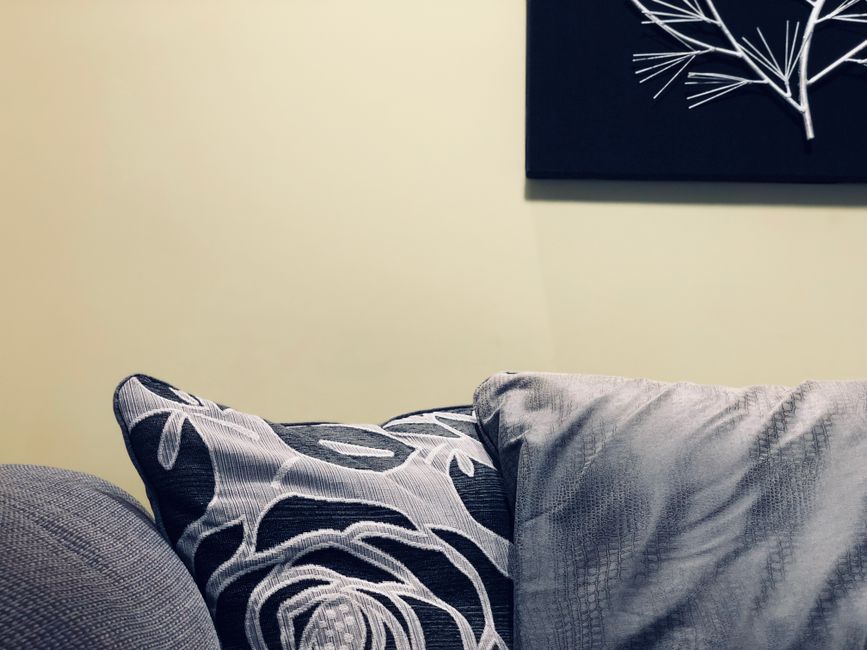
Photo: iSAW Company / Pexels
When decorating a modern living room, two questions dominate: should you invest in statement throw pillows, in wall art—or both? Each serves a distinct purpose, and the right choice depends on your space, budget, and design goals. Throw pillows offer flexibility, texture, and easy seasonal updates. Wall art provides focal points, scale, and visual structure that anchors an entire room. Understanding the strengths and limitations of each helps you build a cohesive, intentional space.
When choosing between throw pillows and wall art for a modern living room, consider the room's natural light and wall space first—pillows work better in smaller apartments or rooms with limited wall area, while large blank walls benefit more from statement art pieces that anchor the space without visual clutter.
This guide compares the most practical options across materials, styling approaches, and real-world trade-offs, so you can decide which investment delivers the most impact for your modern living room.
Velvet pillows in jewel tones (emerald, sapphire, deep plum) or sophisticated neutrals (charcoal, blush, warm taupe) bring luxurious texture and visual depth to modern seating. They work best paired with 2–3 colors already present in your space—echoing wall art or rug tones rather than introducing entirely new hues. The key is proportion: standard 18×18 pillows create visual balance on most sofas without overwhelming clean-lined furniture.
Real trade-off: Velvet shows dust and requires occasional brushing, but durability for daily use is strong if you avoid high-traffic households with pets or small children.
Best for: People seeking a polished, designer-curated aesthetic who don't mind minor maintenance and have neutral or jewel-toned wall color palettes.
Linen pillows anchor modern living rooms through texture contrast rather than bold color variety. They layer beautifully with similar earth tone families—warm taupes, soft terracottas, muted ochres—creating sophisticated depth when mixed with chunky knits or smooth velvet. Linen's natural, slightly wrinkled appearance suits minimalist and contemporary design without feeling formal.
Real trade-off: Linen wrinkles naturally (which many design-conscious buyers prefer for authenticity), but it's highly durable, washable, and hides moderate wear better than velvet or solid fabrics.
Best for: Minimalist and modern farmhouse styles; households prioritizing durability and low maintenance; spaces with existing warm or neutral wall palettes.
Geometric patterns—subtle stripes, small-scale shapes, or contemporary abstract designs—work as visual anchors when pillow size matches furniture scale. A large sectional handles oversized geometric patterns without feeling overwhelming; a smaller loveseat requires medium or small-scale designs to maintain proportion. Colors should echo existing palette rather than introduce chaos.
Real trade-off: Geometric patterns make rooms feel more intentional and structured, but poorly scaled or color-mismatched patterns can fight against modern minimalist principles. They're less flexible for seasonal updates than solid pillows.
Best for: Spaces needing visual interest and structure; rooms with existing minimalist or colorful wall art that benefits from pattern reinforcement; modern and contemporary styles.
Large-scale abstract wall art—whether colorful canvas, black-and-white geometric work, or contemporary minimalist line art—creates a focal point and anchors the entire room's design story. Modern abstract pieces in jewel tones or neutrals set the color palette that throw pillows then echo. Gallery walls with multiple pieces offer flexibility for layering and curating style.
Real trade-off: Wall art is permanent and costly to change, but it creates visual weight and structure that throw pillows alone cannot achieve. Large canvas pieces (24×36 or bigger) demand wall space and may not suit small apartments.
Best for: Creating a cohesive design foundation; rooms with available wall space; people willing to invest in a lasting focal point; spaces needing visual structure and anchor points.
Modern design experts recommend mixing textures within a limited color palette rather than varying hues dramatically. Pairing a smooth velvet pillow with chunky linen and a soft knit—all in earth tones or jewel tones—creates visual sophistication and depth. This approach lets you use 3–5 pillows on a standard sofa without overwhelming the space.
Real trade-off: Requires intentional curation and planning; less forgiving than single-material matching sets, but delivers the most curated, designer-level aesthetic.
Best for: Experienced decorators; people with existing wall art or rugs to coordinate with; spaces that benefit from layered visual interest without bright color contrasts.
The verdict: For modern living rooms, the strongest approach combines both wall art and throw pillows—not one or the other. Start by anchoring the room with a large-scale abstract or minimalist wall piece (24×36 inches or larger) in colors that match your existing rug and overall aesthetic. Then layer throw pillows in complementary textures and tones: velvet or linen in 2–3 related hues rather than a rainbow of colors. If your space lacks existing wall art, geometric or earth-tone throw pillows can provide initial visual structure, but consider adding wall art eventually for lasting focal-point impact.
For budget-conscious decorators: prioritize wall art first (it defines the entire space) and use affordable, durable linen pillows as your foundation. For maximum luxury aesthetic: invest in velvet pillows paired with quality abstract wall art, then texture-layer with linen or knit accents. Either way, avoid mixing too many pattern scales or unrelated colors—modern design thrives on restraint and coordination, not abundance.
Standard 18×18 or 20×20 inch pillows create visual balance on most sofas without overwhelming clean-lined furniture. Larger sectionals can handle 24×24 inch statement pillows, while smaller loveseats need 16×16 or smaller to maintain proportion.
Modern design typically calls for 3–5 pillows on a standard sofa or sectional, using 2–3 related colors or textures rather than a rainbow mix. Avoid symmetrical pairs; asymmetrical layering feels more curated and intentional.
Pillows should echo colors already present in wall art, rugs, or curtains rather than introduce entirely new hues. This creates a cohesive design story. If you introduce one intentional accent color (like a jewel tone), ensure it appears in at least two other places in the room.
Pair velvet with linen, chunky knit, or smooth canvas in the same color family. A charcoal velvet pillow works beautifully next to a warm taupe linen pillow and a cream knit—all within the same neutral palette. Avoid mixing velvet with wildly different textures or unrelated colors.
Not strictly necessary, but highly beneficial. Large abstract or minimalist wall art anchors a room's visual hierarchy and makes coordinating throw pillows easier. If wall space is limited, gallery walls with multiple pieces or statement patterned throw pillows can provide structure, but they're less visually impactful than a single large canvas.
Found this helpful? Share it!
Our team curates stylish, well-reviewed home decor and interior products so you don't have to. Every recommendation is based on real research: customer reviews, expert opinions, and value for money. Learn more about us →
This post contains affiliate links. We may earn a commission if you purchase through our links at no extra cost to you.
← Back to Best Home Decor Picks Daily| Retailer | Price Range | Shipping | Link |
|---|---|---|---|
| Amazon | Check Current Price | Free (Prime) | View on Amazon → |
| Walmart | Check Site | Free over $35 | Search → |
| Target | Check Site | Free over $35 | Search → |
Prices may vary. Click through to each retailer for current pricing.