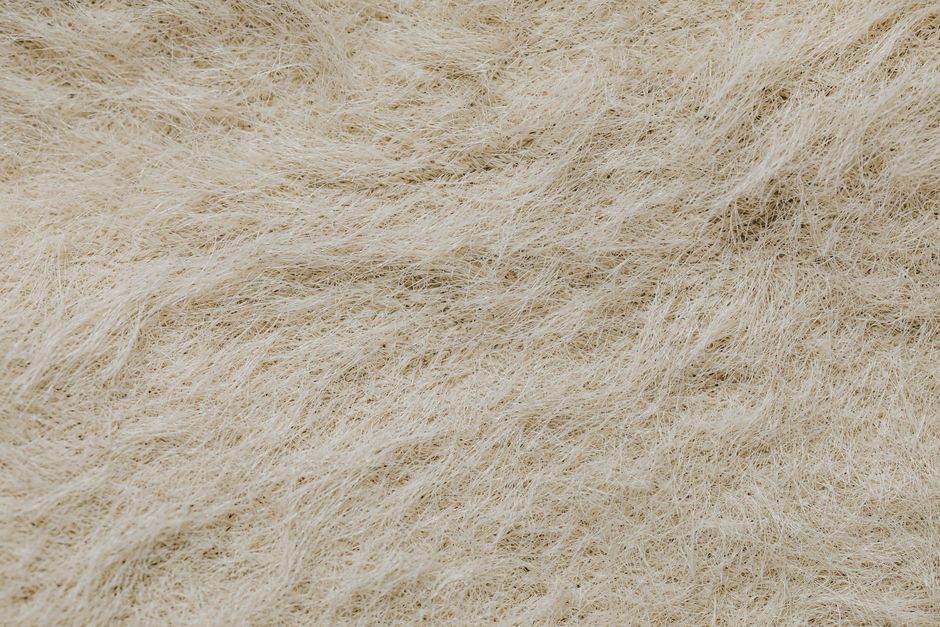
Photo: www.kaboompics.com / Pexels
A shag rug can completely transform your bedroom into a cozy sanctuary, but the choice between natural fibers and synthetic blends—and the pile height that comes with each—has real consequences for comfort, longevity, and maintenance. Since your bedroom is a personal retreat where you spend significant time barefoot and relaxing, the rug needs to balance softness, durability, and ease of care in ways that living room rugs simply don't.
Before purchasing a shag rug for your bedroom, test the pile density and depth in person if possible, as wool shags tend to shed less and maintain their texture longer than synthetic blends, though they come at a higher price point. Consider your bedroom's foot traffic and cleaning routine—synthetic blends are more stain-resistant and easier to maintain, making them ideal for active households, while pure wool offers superior softness and durability for those willing to invest in occasional professional cleaning.
The core tension: wool offers superior temperature regulation and dust-mite resistance, but synthetic blends deliver stain resistance and easier cleaning. Similarly, pile height between 1.5 and 2.5 inches gives you that luxurious feel underfoot, but taller piles trap more dust and pet hair while creating potential tripping hazards. This guide breaks down the actual tradeoffs so you can choose based on your bedroom's conditions and your tolerance for maintenance.
Natural wool or wool-rich blends naturally regulate moisture, resist dust mite accumulation, and provide exceptional softness that synthetic options struggle to match. A medium pile height (1.5–2 inches) balances that indulgent barefoot feel with practical dust control—tall enough to feel luxurious when you step out of bed, but short enough to vacuum without difficulty.
Wool blends maintain shape better under daily foot traffic and offer superior insulation against cold bedroom floors. The tradeoff is higher upfront cost and greater vulnerability to spills if not treated, plus longer drying times if you do need to clean.
Best for: Bedrooms in moderate climates, sleepers prioritizing comfort and temperature regulation, those without pets or heavy spill risk
Polypropylene is the workhorse of synthetic bedroom rugs—stain-resistant, pet-friendly, and dramatically easier to maintain than wool. It handles spills without absorbing, dries quickly, and resists shedding far better than lower-quality synthetics. Polypropylene shags with pile heights between 1.5 and 2.5 inches provide that soft feel underfoot without the moisture-trapping issues that plague ultra-deep synthetics.
The downside: polypropylene doesn't regulate temperature or moisture as naturally as wool, and some sleepers find the texture less luxurious. In humid bedrooms, it can feel clammy rather than cozy.
Best for: Pet owners, families with young children, humid climates, bedrooms prone to spills, budget-conscious buyers
Polyester blends sit between polypropylene and wool in feel and performance. They offer better stain resistance than wool while delivering a softer, more luxurious texture than pure polypropylene—some high-quality synthetics are specifically engineered to mimic wool's feel. A medium pile (1.5–2 inches) keeps them practical for bedroom use without excessive dust trapping.
Polyester blends work well if you want moisture-resistant performance but aren't willing to sacrifice the tactile experience of a bedroom rug. They dry faster than wool and resist odor better, though they still require more care than polypropylene.
Best for: Sleepers wanting synthetic durability with a wool-like feel, moderate-traffic bedrooms, climates with some humidity
For bedrooms in consistently damp or humid climates, moisture-resistant treated synthetics (polypropylene or polyester with anti-moisture treatments) prevent the musty odors and mildew growth that untreated synthetics invite. These rugs are explicitly engineered for moisture regulation without the natural properties of wool.
This is a specialized option—you're paying for the treatment, and you need to verify during purchase that the synthetic is labeled for moisture resistance. Untreated synthetics in humid bedrooms often trap dampness, which defeats the purpose of an easy-care rug.
Best for: Humid climates, bedrooms with poor ventilation, coastal homes, basements converted to bedrooms
For most bedrooms: a wool blend or high-quality polyester synthetic at 1.5–2 inches pile is the practical sweet spot. If your bedroom is dry, climate-controlled, and you can manage spill risk, wool or wool blends deliver unmatched softness, temperature regulation, and that indulgent feel that justifies bedroom rug investment. If you have pets, young children, live in a humid climate, or want near-zero maintenance, polypropylene synthetics offer reliability and durability that wool simply can't match—accept that the tactile experience will be slightly less luxurious in exchange for genuine stain resistance.
Polyester blends split the difference when budget and climate allow: they feel closer to wool while maintaining synthetic durability. For damp or humid bedrooms specifically, prioritize synthetics with explicit moisture-resistant treatments; untreated synthetics in these conditions become liabilities rather than comforts. Finally, resist the temptation toward pile heights above 2 inches unless you're willing to vacuum weekly—the practical bedroom rug performs at 1.5–2 inches, looks intentional, and actually stays clean.
Aim for 1.5 to 2 inches for typical bedroom use. This height feels luxuriously soft underfoot when barefoot, but won't trap excessive dust, pet hair, or lint that ultra-deep shags accumulate. Anything above 2.5 inches becomes difficult to vacuum, sheds more in the first year, and creates genuine tripping hazards in a bedroom where you're navigating barefoot at night.
Humid bedrooms favor synthetic blends, especially polypropylene or polyester with moisture-resistant treatment. While wool naturally regulates moisture better than untreated synthetics, truly humid climates can cause wool to absorb dampness and develop odor. Treated synthetics are engineered specifically for damp conditions and won't trap moisture the way untreated synthetics do. If wool is your preference, ensure your bedroom has active dehumidification.
Significantly. Denser piles (wool or synthetic) hold shape longer than loose, fluffy piles that compress with nightly foot traffic. Wool and wool blends naturally spring back and resist matting; synthetics vary—polypropylene maintains shape well, but cheaper polyester blends can flatten noticeably within 2–3 years of daily bedroom use. Pile density matters more than height: a dense 1.5-inch rug outlasts a loose 2-inch rug.
Large enough that it extends at least 18–24 inches beyond the bed edges on both sides and foot, creating a 'frame' effect that anchors the bed visually and ensures you step onto the rug when exiting. A rug that barely touches the bed looks accidental; one that extends meaningfully outward creates intentional design. For queen beds, an 8×10 or 9×12 rug is standard; for kings, consider 9×12 or 10×14.
Yes—lighter shags show footprints dramatically more than darker tones, and all shags require regular (weekly) vacuuming to prevent visible dust accumulation. Darker grays, charcoal, and navy hide footprints and dust far better than cream, white, or pale gray. If low maintenance is a priority, choose a darker color in a denser pile; if you prefer light colors, accept that you'll vacuum twice weekly to keep it looking intentional rather than dingy.
Vacuum weekly with a non-rotating brush or upright vacuum (avoid rotating-head vacuums that can snag shag fibers). For spills, blot immediately with a cloth—don't rub. Synthetics can handle basic cleaner solutions; wool requires professional cleaning for deep stains. Never use steam or excessive water on wool, as it takes days to dry and can trap odors. Spot-treat within hours of spills to prevent setting; for major accidents on wool, professional cleaning is worth the cost to avoid permanent damage.
Found this helpful? Share it!
Our team curates stylish, well-reviewed home decor and interior products so you don't have to. Every recommendation is based on real research: customer reviews, expert opinions, and value for money. Learn more about us →
This post contains affiliate links. We may earn a commission if you purchase through our links at no extra cost to you.
← Back to Best Home Decor Picks Daily| Retailer | Price Range | Shipping | Link |
|---|---|---|---|
| Amazon | Check Current Price | Free (Prime) | View on Amazon → |
| Walmart | Check Site | Free over $35 | Search → |
| Target | Check Site | Free over $35 | Search → |
Prices may vary. Click through to each retailer for current pricing.