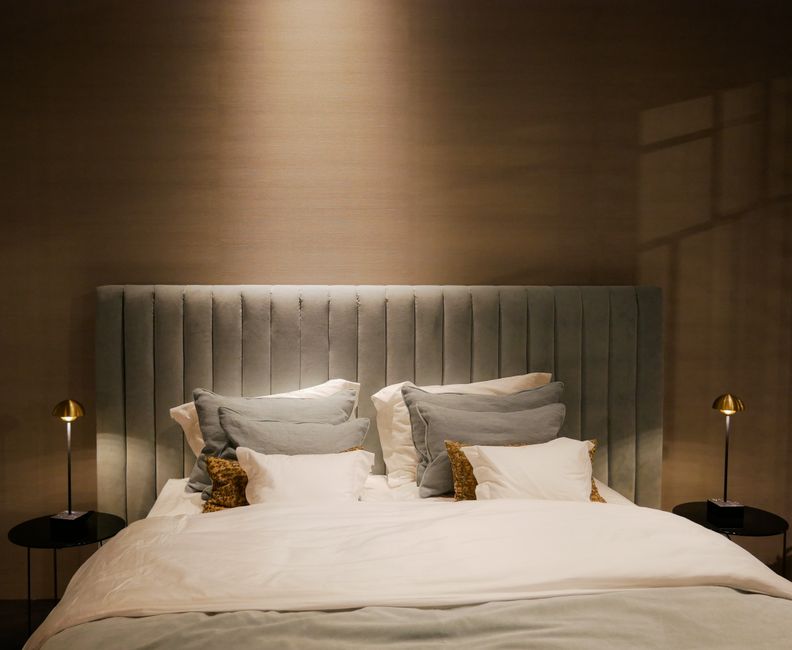
Photo: SEASHELL IN LOVE / Pexels
Found this helpful? Share it!
Calculate your bedroom's square footage and plan for at least one lamp per 50 square feet of space, then add task lighting near your bed and reading areas to ensure you have both ambient and functional light. Check the wattage and color temperature of bulbs before purchasing to avoid rooms that feel too dim or harshly bright, aiming for warm white (2700K) tones for a relaxing bedroom environment.
Our team curates stylish, well-reviewed home decor and interior products so you don't have to. Every recommendation is based on real research: customer reviews, expert opinions, and value for money. Learn more about us →
Most bedrooms need 2-3 lamps to provide adequate lighting for different activities and moods. The exact number depends on your room size, natural light, and how you use the space.
A typical bedroom should have at least one bedside lamp for reading and two additional light sources for general illumination and ambiance. If your bedroom is large (over 200 square feet), you'll likely want 3-4 lamps total. Consider your daily activities—if you work from home or spend significant time getting ready in your bedroom, you may need more task lighting. The key is layering different types of light to create flexibility throughout the day.
Understanding bedroom lighting starts with recognizing three essential categories of light: task lighting, ambient lighting, and accent lighting. Each serves a specific purpose and contributes to overall functionality and comfort.
Task Lighting is functional light for specific activities. Bedside lamps are essential task lighting—they illuminate reading material and provide localized light without disturbing a sleeping partner. Desk lamps are crucial if you work from home. These typically require 40-60 watts or LED equivalents.
Ambient Lighting provides general illumination for your entire bedroom. This might come from a ceiling fixture, but many designers recommend adding wall sconces or floor lamps to soften harsh overhead light. Ambient lighting should be dimmable when possible to adjust for different times of day.
Accent Lighting creates mood and highlights design features. Small decorative lamps, string lights, or specialty fixtures add visual interest and warmth to a bedroom environment.
For a standard 12x14 foot bedroom, the baseline recommendation is:
Room size significantly impacts lamp quantity. Small bedrooms (under 100 sq ft) may need only 2 lamps, while master bedrooms (over 250 sq ft) might require 4-5 light sources. Natural light also matters—rooms with large windows need fewer artificial lamps during daytime hours but benefit from strategic lamp placement near seating areas.
Interior designers consistently recommend the "lighting layers" approach: combining ambient, task, and accent lighting for optimal bedroom functionality. Lighting consultant recommendations suggest aiming for 10-20 foot-candles in bedrooms for general activities, with task areas requiring 30-40 foot-candles. The American Lighting Association emphasizes that bedrooms should have dimmable options to accommodate different activities—bright light for getting dressed, softer light for relaxation.
Professional bedroom designers also stress the importance of lamp placement. Bedside lamps should be within arm's reach and positioned to avoid glare. Wall sconces flanking a bed or mirror provide balanced, flattering light. A corner floor lamp can brighten dark areas without requiring additional ceiling fixtures.
The right lamps transform a bedroom from merely functional to beautifully lit. Quality bedroom lamps offer both aesthetic appeal and practical illumination. When selecting lamps, consider bulb type (LED lasts longest and runs coolest), shade material (fabric diffuses light softly, while glass creates brighter pools of light), and height (table lamps should be 24-26 inches tall for proper light distribution).
Browse a wide selection of bedroom lamps to find styles matching your décor at
As an Amazon Associate I earn from qualifying purchases.
← Back to All Reviews Shop on Amazon →| Retailer | Price Range | Shipping | Link |
|---|---|---|---|
| Amazon | Check Current Price | Free (Prime) | View on Amazon → |
| Walmart | Check Site | Free over $35 | Search → |
| Target | Check Site | Free over $35 | Search → |
Prices may vary. Click through to each retailer for current pricing.
Most bedrooms need 3-4 light sources: one overhead fixture or ceiling lamp, two bedside lamps (one per nightstand), and optionally a floor or accent lamp. This layering approach provides task lighting for reading, ambient lighting for the room, and flexibility to adjust brightness for different moods.
Yes, matching bedside lamps on both sides of the bed are recommended for balance, symmetry, and practical functionality—they allow both bed occupants to have individual reading light without disturbing a partner. If space is limited, wall-mounted sconces are a great alternative that saves nightstand space.
Bedroom nightstand lamps should be 24-27 inches tall from base to top of shade, or about two-thirds the height of your headboard, to provide proper task lighting without blocking sightlines. The lamp shade should be roughly 12-14 inches in diameter to balance the proportions of a standard nightstand.
While a ceiling light provides ambient lighting, a bedroom needs additional layered lighting for functionality and comfort—ceiling-only lighting creates harsh shadows, offers poor reading light, and lacks the flexibility of adjustable lamps. Adding bedside lamps creates a more welcoming space and is essential for reading or waking during the night.