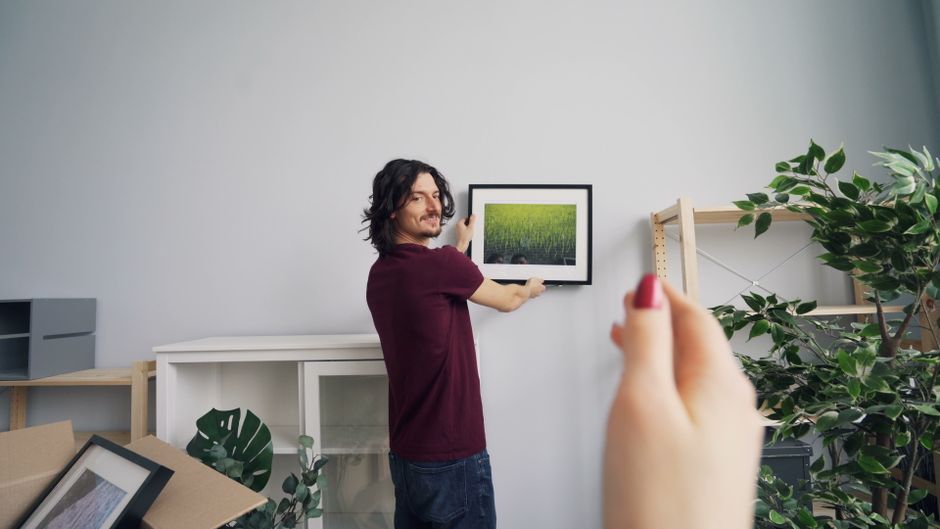
Photo: Vitaly Gariev / Pexels
Found this helpful? Share it!
When purchasing wall art, measure the wall space and furniture placement beforehand, then buy pieces sized so the center hangs at eye level (approximately 57-60 inches from the floor) for optimal visual impact in your room. Remember that oversized art works best on large empty walls, while smaller pieces should be grouped together rather than hung alone, so plan your layout before making a purchase.
Our team curates stylish, well-reviewed home decor and interior products so you don't have to. Every recommendation is based on real research: customer reviews, expert opinions, and value for money. Learn more about us →
The correct height for hanging wall art is typically at eye level, with the center of the artwork positioned 57-60 inches from the floor—a measurement that accounts for the average person's eye height when standing. This rule applies to most living spaces and creates a visually balanced, professional appearance that draws the viewer's eye naturally to your artwork.
Hang your wall art so the center sits 57-60 inches from the floor for standard eye-level placement. In rooms with high ceilings or above furniture, adjust this measurement based on your specific layout. Always measure twice before making holes, and use a level to ensure your piece hangs straight. The goal is creating visual balance that feels natural when you're standing in the room.
The 57-60 inch rule comes from museum curation standards and interior design best practices. This height works because it aligns with the average adult's eye level when standing, creating an effortless viewing experience. When art is hung at this height, your eyes naturally focus on the piece without strain or awkward neck angles.
Adjusting for Different Spaces
While the 57-60 inch standard works in most situations, your specific room layout may require adjustments. Above a sofa, position your artwork 8-10 inches above the furniture's back. Above a console table or dresser, maintain 6-8 inches of space between the furniture and artwork. In entryways or hallways with limited wall space, the 57-60 inch rule still applies for single pieces.
Gallery Wall Considerations
For gallery walls or multiple pieces, calculate the center point of your entire arrangement and position it at 57-60 inches. This creates a cohesive focal point even when displaying various sizes and frames. Spacing between pieces should typically be 2-3 inches for a tight, curated look or 4-5 inches for a more relaxed gallery feel.
High Ceiling Adjustments
In rooms with ceilings higher than 9 feet, you may want to position artwork slightly higher than 60 inches to avoid it appearing to float in the middle of excessive wall space. Conversely, in rooms with low ceilings (under 8 feet), keep pieces closer to the 57-60 inch range to avoid a cramped appearance.
Finding Your Center Point
To find where to hang your artwork, measure the piece's height, divide it in half, then subtract that number from 60 inches. This gives you the distance from the floor to the top of your frame. For example, a 24-inch tall piece would have its top edge positioned 48 inches from the floor (60 minus 12). Always use a measuring tape and pencil to mark these points before installation.
Interior designers universally recommend the 57-60 inch eye-level rule as a foundation, but they emphasize that flexibility matters. As design expert Sarah Akwisombe notes, the most important principle is creating intentional spacing that relates to your furniture and room proportions. Professional art installers recommend using painter's tape to outline your artwork on the wall first—this allows you to visualize the placement before making permanent holes. Always use appropriate hardware for your wall type, whether that's drywall anchors, studs, or picture rail systems.
Quality wall art makes proper placement even more impactful. When you've positioned your piece at the correct eye level, the right artwork becomes a true focal point that anchors your room's design. Whether you're
As an Amazon Associate I earn from qualifying purchases.
← Back to All Reviews Shop on Amazon →| Retailer | Price Range | Shipping | Link |
|---|---|---|---|
| Amazon | Check Current Price | Free (Prime) | View on Amazon → |
| Walmart | Check Site | Free over $35 | Search → |
| Target | Check Site | Free over $35 | Search → |
Prices may vary. Click through to each retailer for current pricing.
The center of your artwork should be positioned at 57-60 inches from the floor, which is at average eye level. This standard height works well for most living spaces and ensures artwork is viewed comfortably without excessive neck strain.
Hang the center of your artwork 8-10 inches above the top of the furniture piece. If your couch is 32 inches tall, aim to hang the art center at approximately 42-44 inches from the floor for proper visual balance.
Yes, align multiple artworks by their centers at the same height (57-60 inches) for a cohesive, professional look. This creates visual harmony and makes gallery wall arrangements appear intentional rather than random.
Keep the center of hallway art at 57-60 inches as the standard, but you can go slightly higher (up to 66 inches) since viewers are moving through the space rather than sitting. Adjust based on your wall size and whether other furniture or architectural features are nearby.