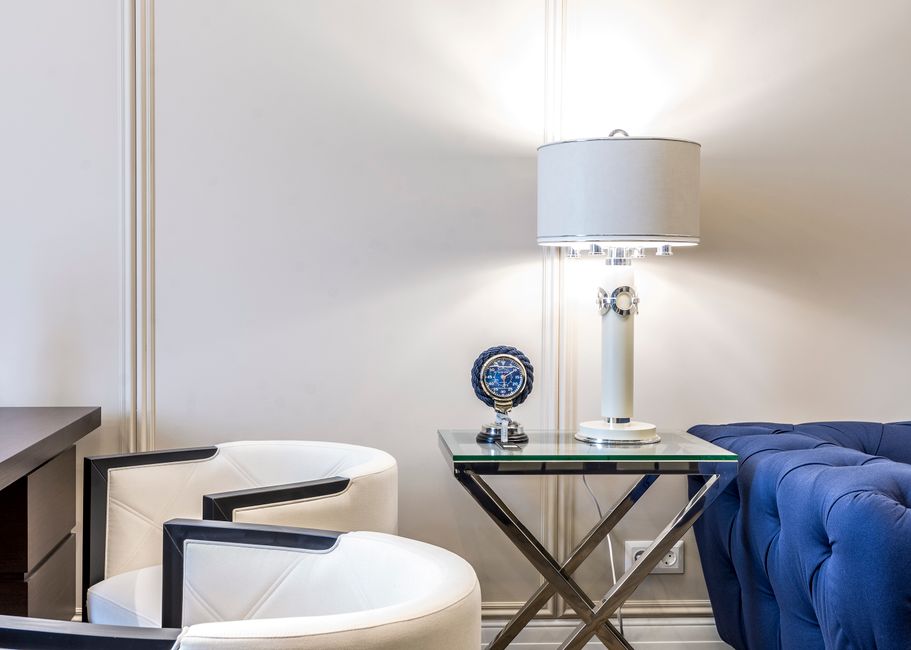
Photo: Max Vakhtbovych / Pexels
Found this helpful? Share it!
Consider the lamp's base material and finish first—whether it's brass, ceramic, wood, or metal—since this element anchors the overall aesthetic and should coordinate with existing hardware, furniture finishes, and metal tones already present in the room. Pair this with the shade style and color to ensure both components work together and complement your wall art, rugs, and other decorative accents rather than choosing them separately.
Our team curates stylish, well-reviewed home decor and interior products so you don't have to. Every recommendation is based on real research: customer reviews, expert opinions, and value for money. Learn more about us →
The best way to choose a lamp that matches your decor is to identify your dominant design style first, then select a lamp that mirrors its color palette, materials, and overall aesthetic. Consider the lamp's base, shade, and height in relation to your existing furniture, wall art, rugs, and other decorative accents to ensure visual harmony throughout your space.
Start by defining your decorating style—whether it's modern, traditional, bohemian, industrial, or another aesthetic. Then choose a lamp with a base and shade that complement your color scheme and use similar materials (wood, metal, glass, ceramic) as your existing decor. The lamp's size should be proportional to your furniture, and its placement should serve both functional and design purposes. Finally, check that the lamp coordinates with nearby elements like wall art, throw pillows, and curtains for a cohesive look.
Step 1: Identify Your Decor Style
Before shopping for a lamp, clearly define your interior design style. Are you drawn to sleek, minimalist modern design? Do you prefer warm, classic traditional elements? Perhaps you love the eclectic, artistic nature of bohemian style, or the raw functionality of industrial design? Your lamp should reinforce this style, not contradict it. Take photos of your room and create a mood board to clarify what draws you in visually.
Step 2: Match Your Color Palette
Your lamp should work within your existing color scheme. If your room features warm neutrals with brass accents, choose a lamp with a brass or gold base. For cool-toned spaces with chrome or silver furniture, opt for a lamp with metallic finishes in those tones. Consider the shade color carefully—a white linen shade works with almost any style, while colored or patterned shades should coordinate with your throw pillows, curtains, and wall art to avoid visual chaos.
Step 3: Consider Material and Texture
The lamp's materials should echo those found elsewhere in your room. Wooden bases work beautifully in traditional and rustic spaces, while metal bases suit modern and industrial aesthetics. If your decor features a mix of materials—perhaps a rug with both wool and cotton textures alongside a wooden coffee table—your lamp can incorporate multiple materials as well. Glass, ceramic, and fabric shades each bring different textures that can enhance or detract from your overall design.
Step 4: Evaluate Proportions and Scale
A lamp that's too tall will overwhelm a small side table, while one that's too short looks awkward next to tall furniture. When placing a lamp on a nightstand, the bottom of the shade should be at eye level when you're sitting in bed. For table lamps on console tables or desks, aim for the shade to be roughly proportional to the base and the furniture it sits on. The lamp's footprint shouldn't dominate your surface area—it should complement without crowding.
Step 5: Coordinate with Existing Decor
Your lamp doesn't exist in isolation. Look at everything surrounding it: nearby wall art, throw pillows, rugs, and curtains. These elements should share a common thread with your lamp choice. If your room features geometric patterns in your wall art and throw pillows, consider a lamp with clean lines or geometric shapes. If your decor is more ornate and traditional, a lamp with detailing and classic proportions will feel at home.
Interior design professionals emphasize that a lamp serves two critical functions: task lighting
As an Amazon Associate I earn from qualifying purchases.
← Back to All Reviews Shop on Amazon →| Retailer | Price Range | Shipping | Link |
|---|---|---|---|
| Amazon | Check Current Price | Free (Prime) | View on Amazon → |
| Walmart | Check Site | Free over $35 | Search → |
| Target | Check Site | Free over $35 | Search → |
Prices may vary. Click through to each retailer for current pricing.
Look for lamps with sleek, geometric bases in materials like brushed metal, concrete, or natural wood with clean lines. Avoid ornate details and opt for neutral colors (black, white, grey, or natural tones) paired with simple drum or cylindrical shades to maintain that minimalist aesthetic.
Use the 60-30-10 color rule: your lamp should either match your dominant color (60%), accent color (30%), or be a neutral that ties everything together. If your walls are a bold color, choose a neutral lamp base and colored shade; if walls are neutral, a colored or patterned lamp can be your statement piece.
Choose lamps with distressed wood, wrought iron, mason jar, or vintage-inspired bases in warm metals like bronze or oil-rubbed bronze. Pair these with linen, burlap, or cream-colored shades and look for details like exposed Edison bulbs or rope accents to enhance that cozy, rustic feel.
Matching creates a cohesive, traditional look, while contrasting adds visual interest and personality to a room. For small spaces or traditional decor, matching works better; for eclectic or contemporary spaces, a contrasting shade (like a dark base with a light shade) creates a modern, designer-approved look.