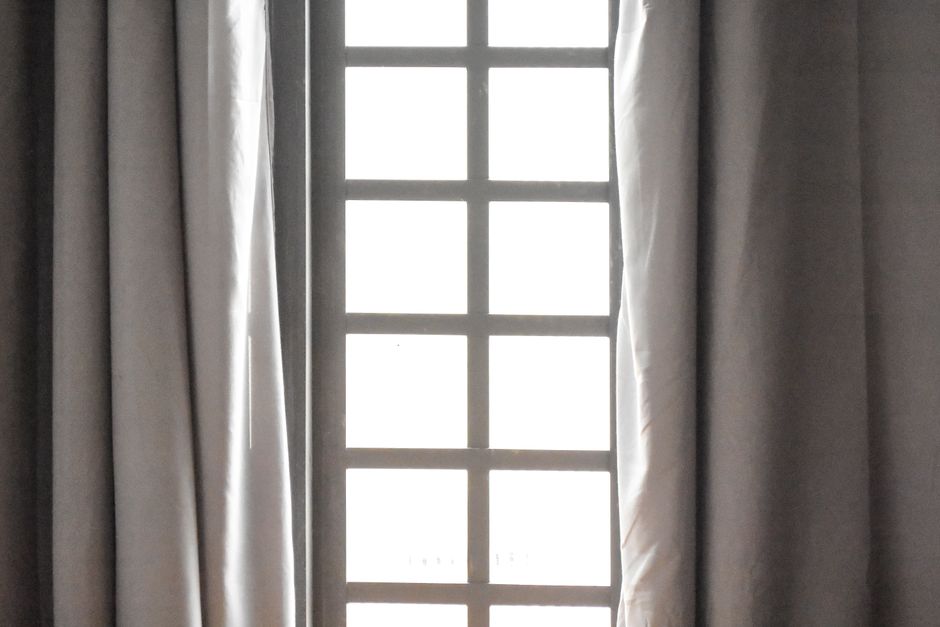
Photo: Victor Casarin Antunes / Pexels
Found this helpful? Share it!
Check the R-value or thermal rating of the curtains to ensure they provide adequate insulation for your climate zone, as ratings vary significantly between products and directly impact their effectiveness at reducing heat transfer and lowering energy costs. Additionally, measure your windows carefully and account for the full height and width needed for proper coverage, since blackout curtains work best when they seal tightly to the window frame to prevent heat from entering around the edges.
Our team curates stylish, well-reviewed home decor and interior products so you don't have to. Every recommendation is based on real research: customer reviews, expert opinions, and value for money. Learn more about us →
Record-breaking temperatures across North America have made energy-efficient home cooling a priority for millions of homeowners this summer. Blackout curtains with thermal backing are flying off shelves as people discover they can reduce indoor temperatures by up to 15°F while slashing cooling costs by 25% or more.
With air conditioning demand at all-time highs, the average household is spending 30-40% more on cooling costs compared to last year. Thermal blackout curtains block up to 99% of solar heat gain through windows, which represent 30% of unwanted heat in most homes. Installing these panels can lower your energy bills immediately without touching your thermostat.
This summer has seen multiple consecutive weeks of 100°F+ temperatures in regions that rarely experience extreme heat. Blackout thermal curtains provide passive cooling that works 24/7, keeping bedrooms and living spaces livable without running AC constantly. They're particularly valuable during peak heat hours (10 AM–4 PM) when the sun's intensity peaks.
Excessive indoor heat disrupts sleep, increases health risks for vulnerable populations, and makes homes uncomfortable. Thermal blackout curtains create cooler microclimates in individual rooms, allowing you to focus cooling efforts where it matters most and improving overall quality of life during brutal heat waves.
Not all thermal backings are created equal. Look for curtains with dense, multi-layer thermal linings that provide an R-value of at least 4.0. Higher R-values (5.0+) offer superior insulation but may be thicker and heavier. Check product descriptions for terms like "insulated," "energy-efficient," or "room-darkening" backed by specific thermal ratings.
Effective heat rejection requires blocking sunlight, not just dimming it. Purchase panels that block 99% of light and UV rays. This percentage directly correlates with heat blocking capability—products blocking less than 95% won't effectively reduce thermal gain. Look for third-party testing certifications or manufacturer guarantees about light blocking performance.
Thermal curtains are heavier than standard fabric, so ensure your curtain rod can support the weight (most need rods rated for 15+ lbs). Measure your windows carefully—panels should extend at least 4-6 inches beyond the window frame on each side to prevent heat from sneaking around the edges. Standard rod pockets (1.5-2 inches) work for most residential rods.
Polyester blends are more durable and heat-resistant than pure cotton for thermal applications. Confirm that your curtains are machine washable on gentle cycles (avoid dry cleaning chemicals that can degrade thermal backing). Pre-shrunk fabrics are essential—thermal backing can shrink unpredictably if not properly treated during manufacturing.
Best Overall Option for Summer Heat Control
For maximum heat rejection combined with reliable blackout performance, explore the full selection of blackout curtain panels with thermal backing on Amazon. Filter by:
As an Amazon Associate I earn from qualifying purchases.
← Back to All Reviews| Retailer | Price Range | Shipping | Link |
|---|---|---|---|
| Amazon | Check Current Price | Free (Prime) | View on Amazon → |
| Walmart | Check Site | Free over $35 | Search → |
| Target | Check Site | Free over $35 | Search → |
Prices may vary. Click through to each retailer for current pricing.
Yes, thermal insulated blackout curtains can reduce indoor temperature by 5-15 degrees Fahrenheit by blocking up to 99% of sunlight and reflecting heat away from windows. They work best on south and west-facing windows where heat gain is greatest during peak afternoon hours.
Standard blackout curtains block light with a dense weave, while thermal insulated versions have multiple layers including reflective or foam backing that actively repels heat. Thermal versions cost more but provide superior energy savings and temperature control in both summer and winter.
Homeowners typically save 10-25% on cooling costs by using thermal blackout curtains, depending on climate, window size, and current AC usage. Your savings increase significantly if curtains cover larger window areas or if your home gets intense afternoon sun exposure.
Thermal blackout curtains work year-round and actually benefit you in winter by reducing heat loss, though you'll want to open them during sunny winter days to gain passive solar heat. Many decorators keep them up permanently and simply adjust how often they're opened based on season.