Photo: Cats Coming / Pexels
Found this helpful? Share it!
Our team curates stylish, well-reviewed home decor and interior products so you don't have to. Every recommendation is based on real research: customer reviews, expert opinions, and value for money. Learn more about us →
Your living room is the one space in your home that has to work for everyone — family movie nights, Sunday afternoon reading, and the friend who drops by unannounced. That means the art on your walls carries more weight here than anywhere else in the house: it sets the tone before anyone sits down. Get it right and the whole room feels intentional; get it wrong and you've got a beautiful sofa floating in front of a blank, echoing wall.
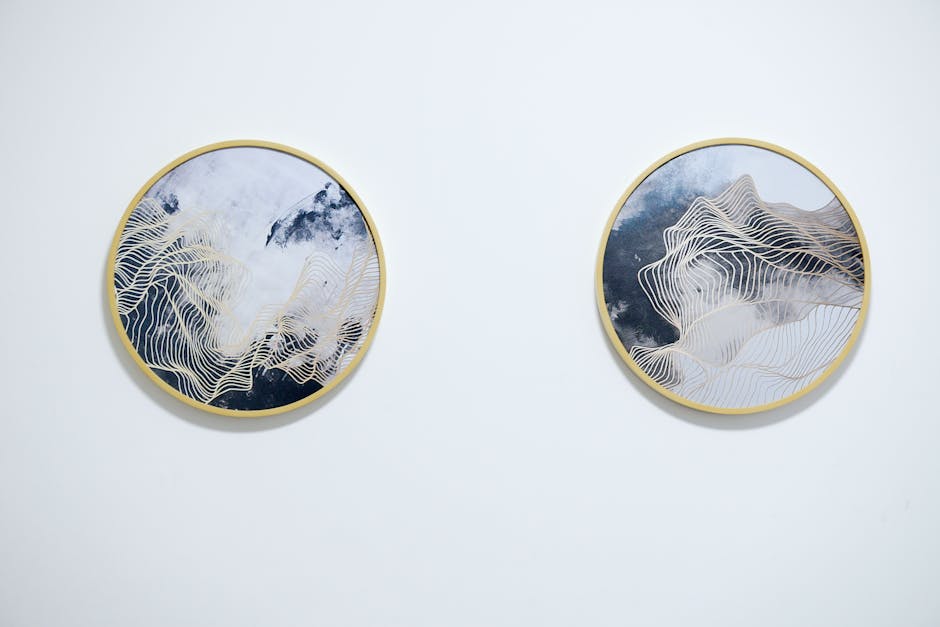
A large-scale abstract landscape canvas triptych, 60 inches wide or larger, in a muted earth palette.
Consider the wall's natural and artificial lighting before selecting wall art, as pieces with matte finishes work better in brightly lit spaces while glossy or metallic finishes can add depth to darker corners. Measure your wall space and furniture arrangement carefully to ensure the artwork's scale complements rather than overwhelms the room, typically aiming for art that covers about two-thirds to three-quarters of the wall space above your sofa or main furniture piece.
Here's why this specific format is our go-to recommendation for living rooms. First, the triptych format solves the scale problem without requiring you to buy one enormous, expensive single canvas — three 20x40 panels hung with two inches of breathing room between them give you a 64-inch span for a fraction of the cost of a comparable single piece. Second, abstract landscapes occupy a sweet spot: they have enough visual interest to anchor a wall, but they're calm enough that they don't compete with your rug, pillows, and lamps for attention. Third, a muted earth palette — think warm sand, clay, soft sage, deep charcoal — coordinates with almost any existing scheme, and it flatters both warm and cool lighting, which matters when your living room shifts from bright afternoon daylight to lamplight in the evening.
Look for a gallery-wrapped canvas with a depth of at least 1.5 inches. That extra depth casts a subtle shadow on the wall and reads as substantial and considered, even from across the room. If you prefer framed work, a slim natural oak or matte black frame with a generous white mat achieves a similar effect and plays nicely with mid-century and transitional furniture alike.
Living rooms are viewed from a seated position far more than a standing one, and that changes everything about placement and content. A large horizontal piece hung so its center sits about 57 to 60 inches from the floor lands right in your natural sightline when you're on the sofa — you're looking *into* the artwork rather than up at it. Abstract landscapes work especially well here because they create a sense of depth and openness, which is exactly what you want in a room where people are seated and slightly enclosed by furniture. It's the visual equivalent of a window.
The triptych format brings a second, subtler advantage: flexibility. If you rearrange your furniture or move house, three panels can be re-spaced to fit a wider or narrower wall, stacked vertically in a stairwell, or split between two spaces. Compare that to a single 60-inch canvas, which is essentially locked into one wall forever. And because the palette is muted, you can refresh the entire look of the room seasonally by swapping throw pillows and a throw blanket — your art stays the constant, and the accents do the changing. That's a much cheaper way to keep a living room feeling current than replacing the biggest thing on the wall.
The right piece of living room art doesn't shout — it just makes everything else in the room look like it was chosen on purpose. Browse our curated collection of large-scale canvases and triptychs to find the anchor your space has been waiting for.
For a standard sofa, choose artwork that's 50-75% of the sofa's width—typically 40-60 inches wide. Hang the center of the art 57-60 inches from the floor, leaving 8-12 inches of space between the top of the sofa and the bottom of the frame for proper visual balance.
One large statement piece works best for smaller to medium living rooms as it creates a focal point without overwhelming the space. Multiple smaller pieces (3-5) in a gallery wall arrangement suit larger walls and work well above furniture like console tables or accent walls.
Incorporate 1-2 accent colors that match your room's color palette (pillows, rugs, or furniture) to create cohesion without clashing. Bold jewel tones, warm metallics, or muted earth tones typically complement neutral walls while adding visual interest without overwhelming the space.
Framed pieces are ideal for traditional or classic décor and protect artwork longer; canvas prints work well in modern spaces and are budget-friendly; unframed art suits contemporary or minimalist rooms. Consider your décor style, maintenance preferences, and whether you want the art to be a permanent fixture or easily changeable.
As an Amazon Associate I earn from qualifying purchases.
← Back to All Reviews| Retailer | Price Range | Shipping | Link |
|---|---|---|---|
| Amazon | Check Current Price | Free (Prime) | View on Amazon → |
| Walmart | Check Site | Free over $35 | Search → |
| Target | Check Site | Free over $35 | Search → |
Prices may vary. Click through to each retailer for current pricing.